Magic Acorns is an early years development organisation striving to co-create ground-breaking work with, and for, our very youngest children. I have been invited on to two residencies with Magic Acorns, that each took a very different approach and shape.
In 2023 I was a lead artist on The Nest residency. Joining a team of eight nurtured artists and three lead artists, the ambition was to gather materials from in and around Great Yarmouth to be used and processed for experiences for babies at Magic Acorn's sensory space and at the beach. This residency was about finding space to observe and interact within a team of artists of different experiences and interests, finding new ways of working together and to co-create work that is born out of our individual practice as well as meeting the trusted methods and approaches that Magic Acorns have worked tirelessly to achieve.
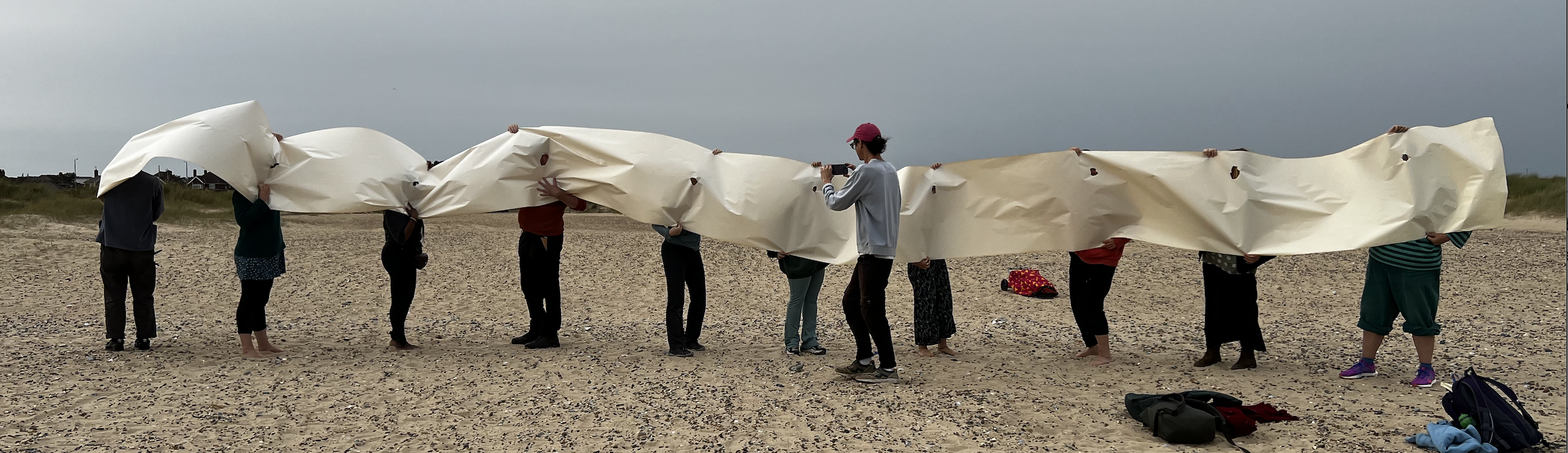
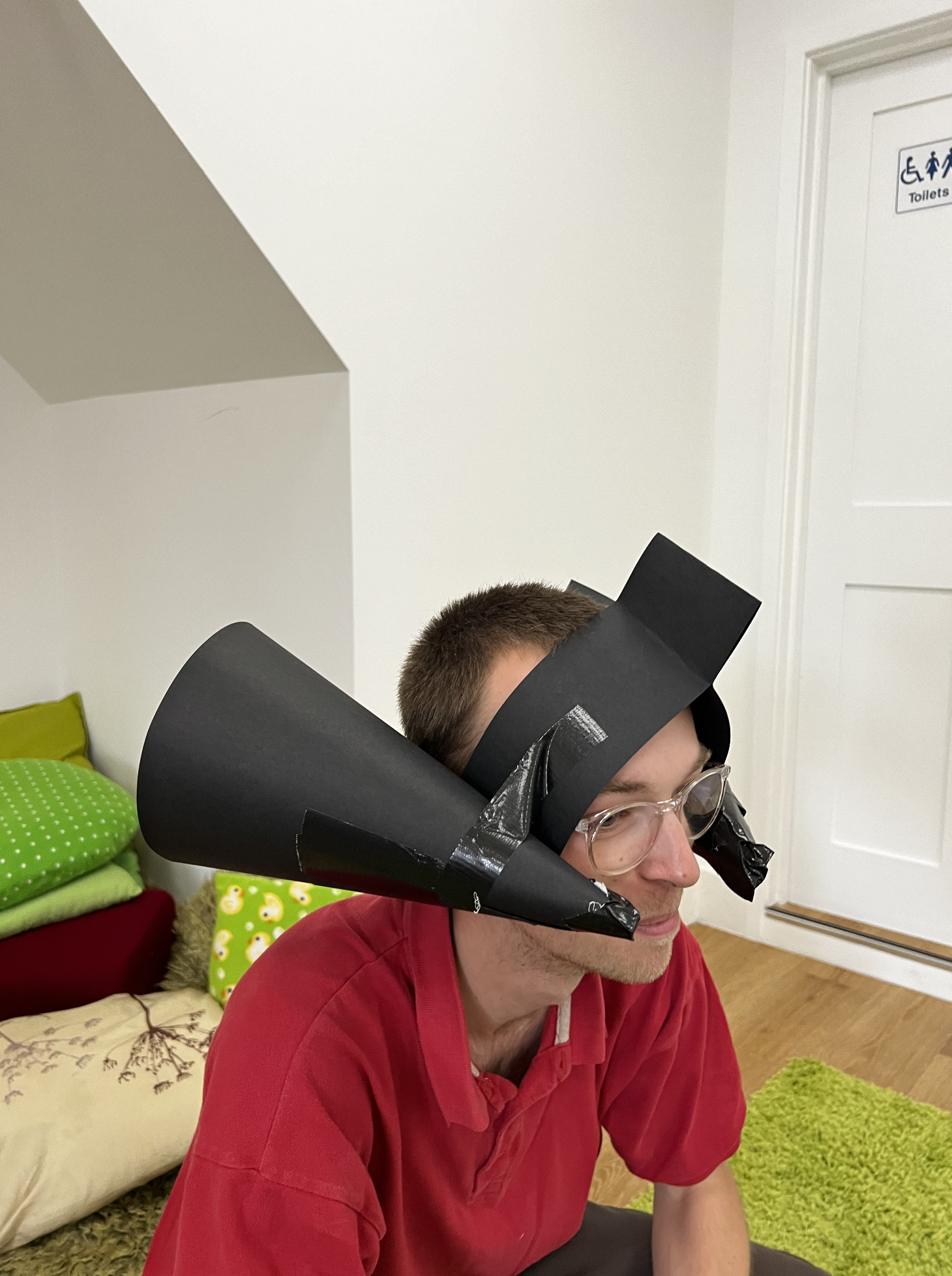
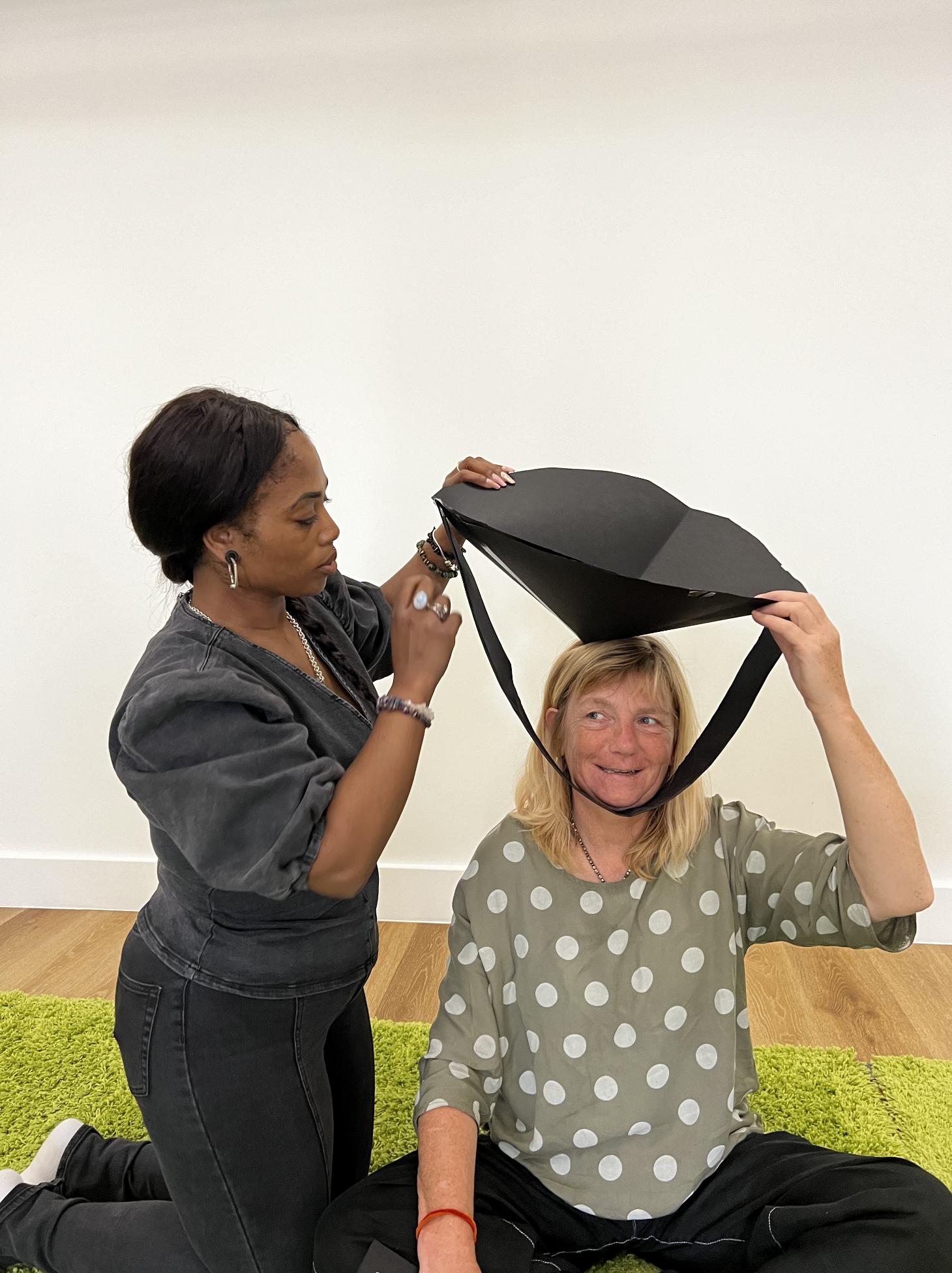
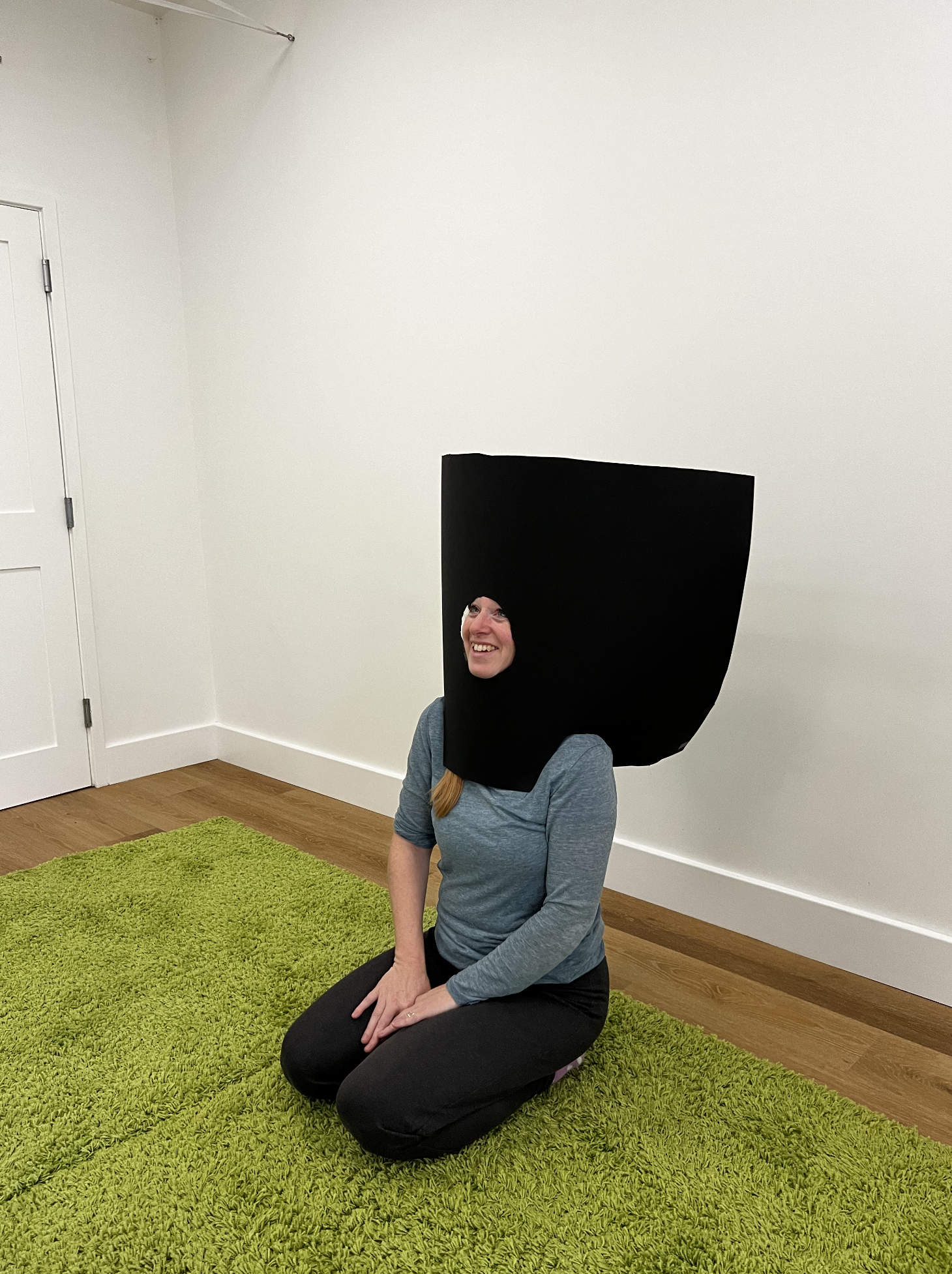
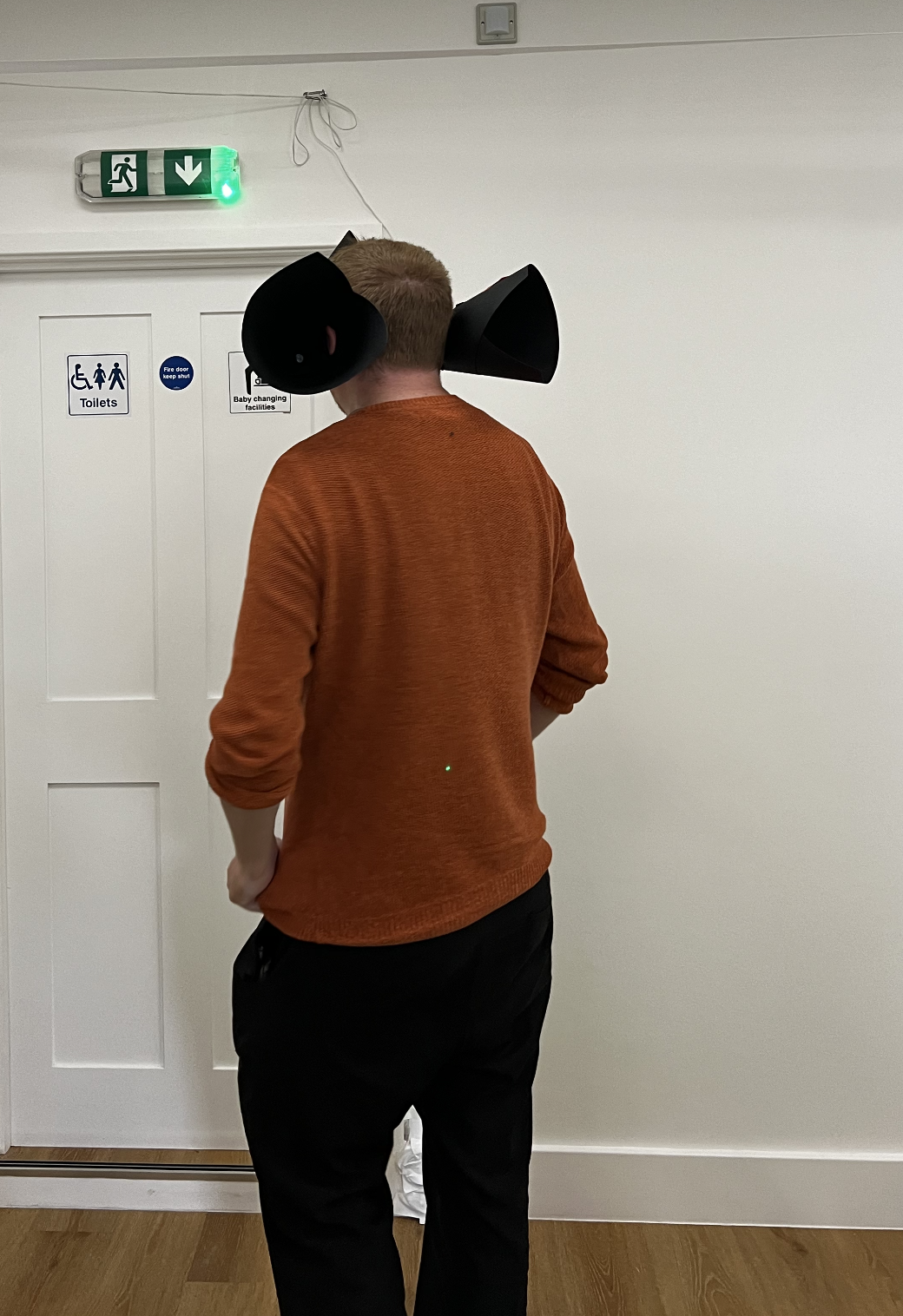
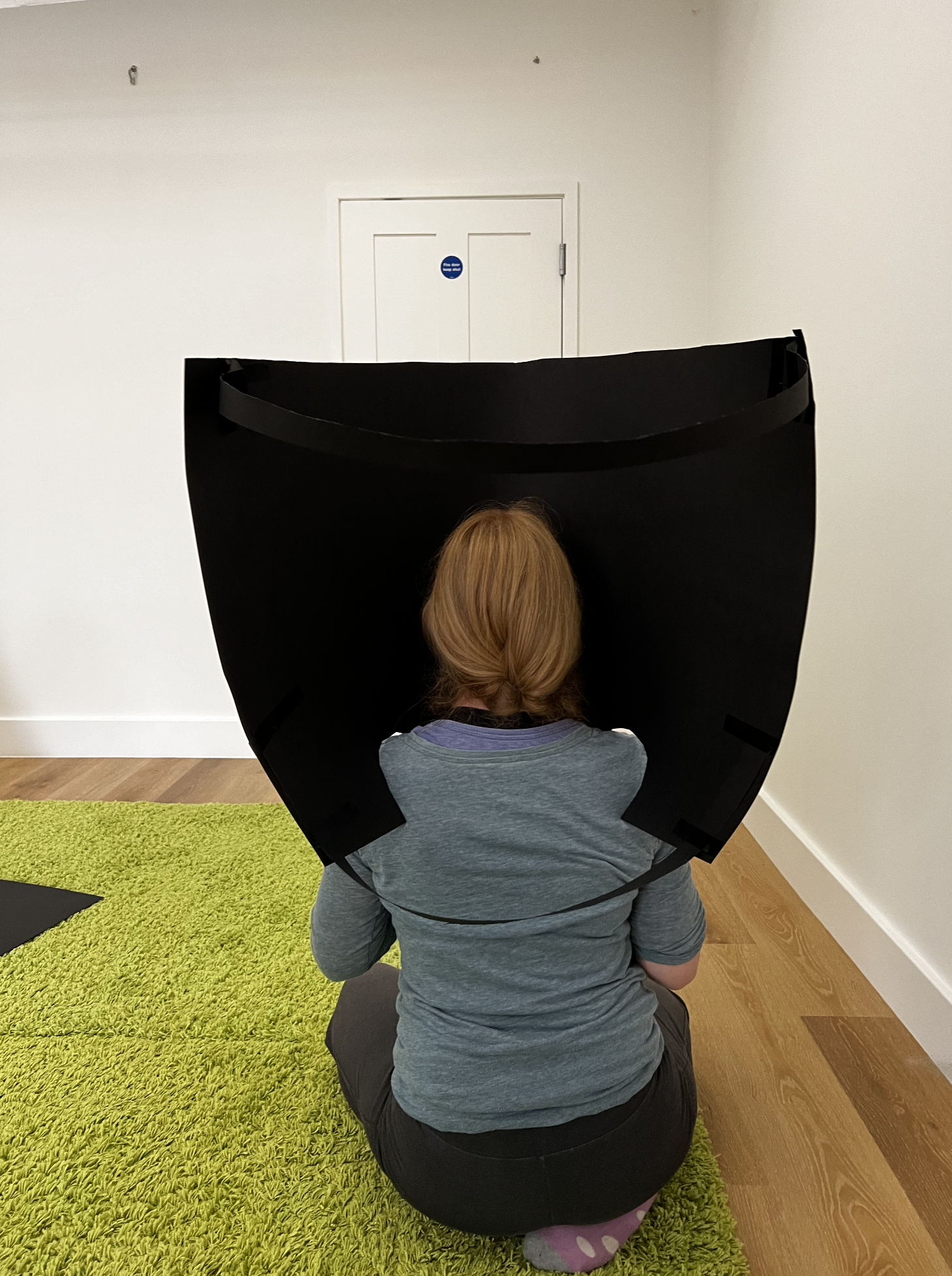
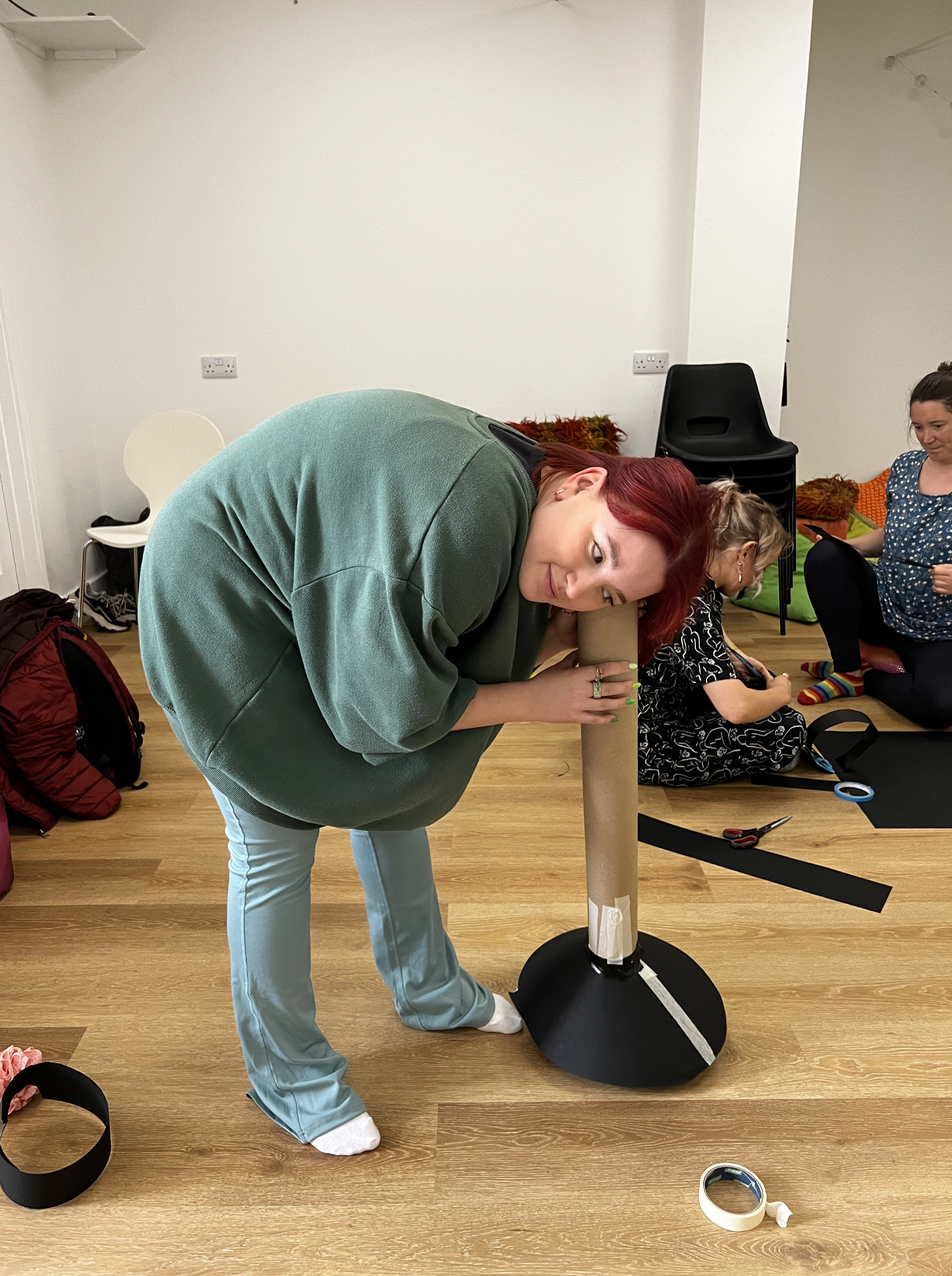
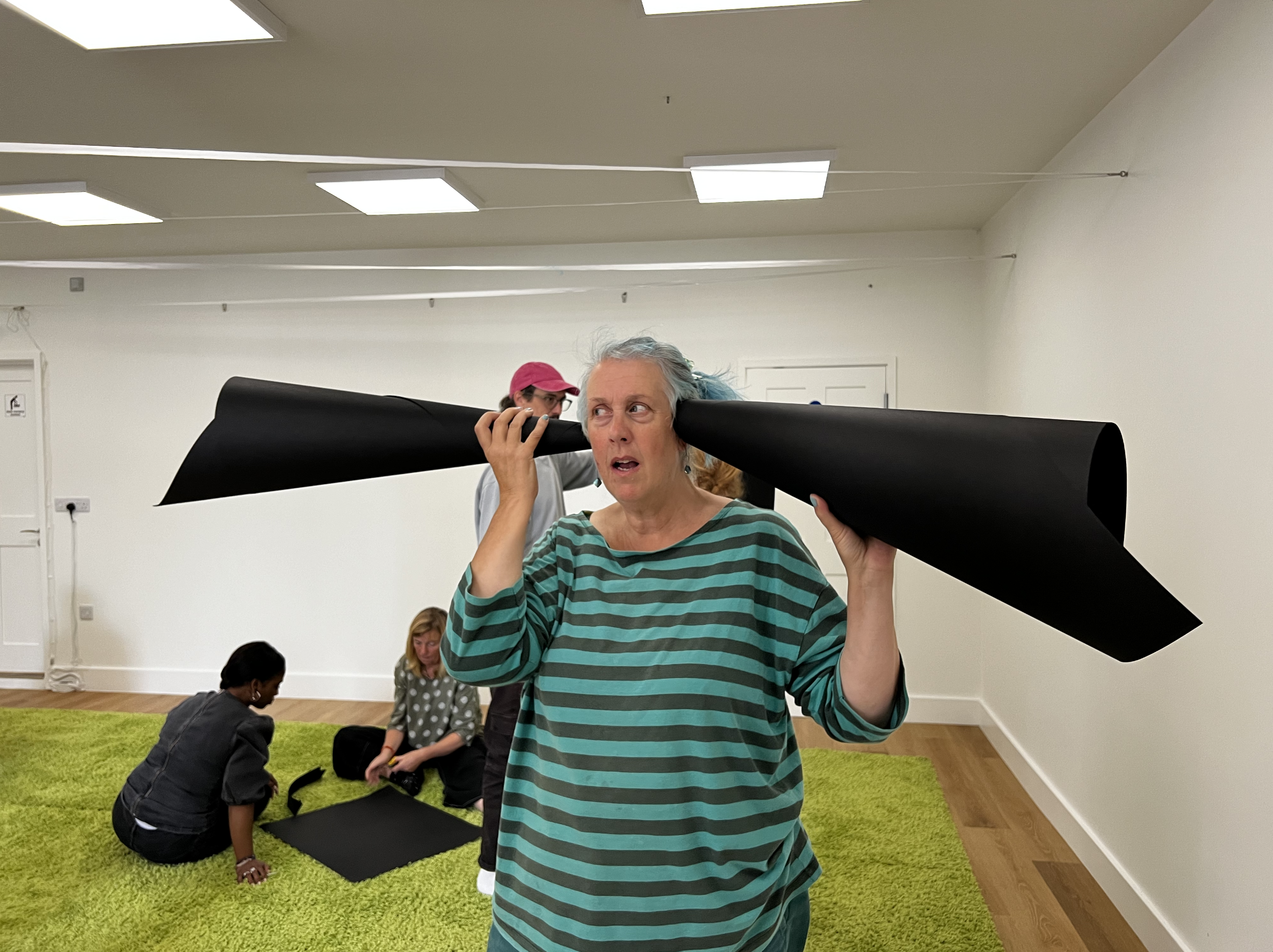
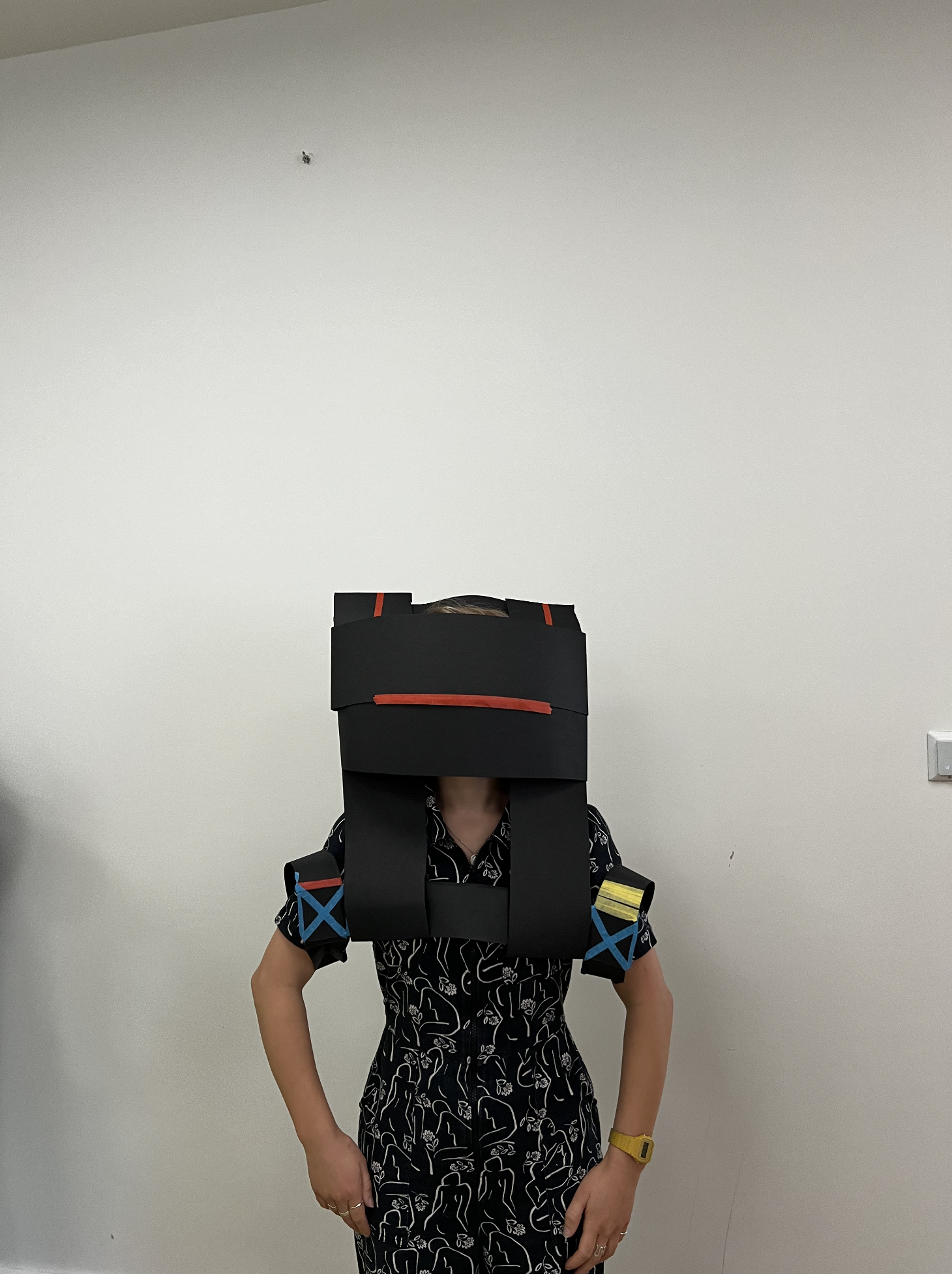
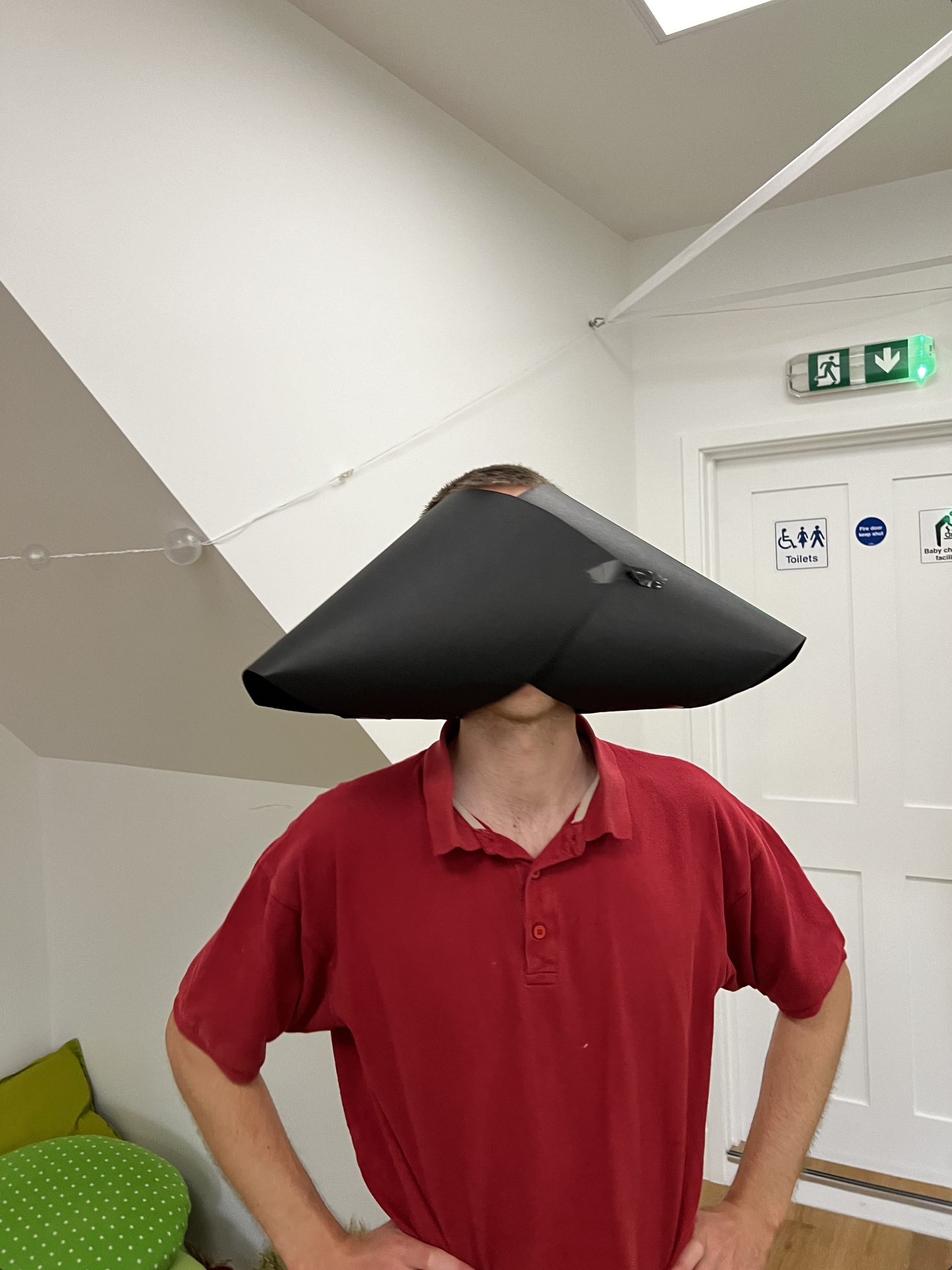
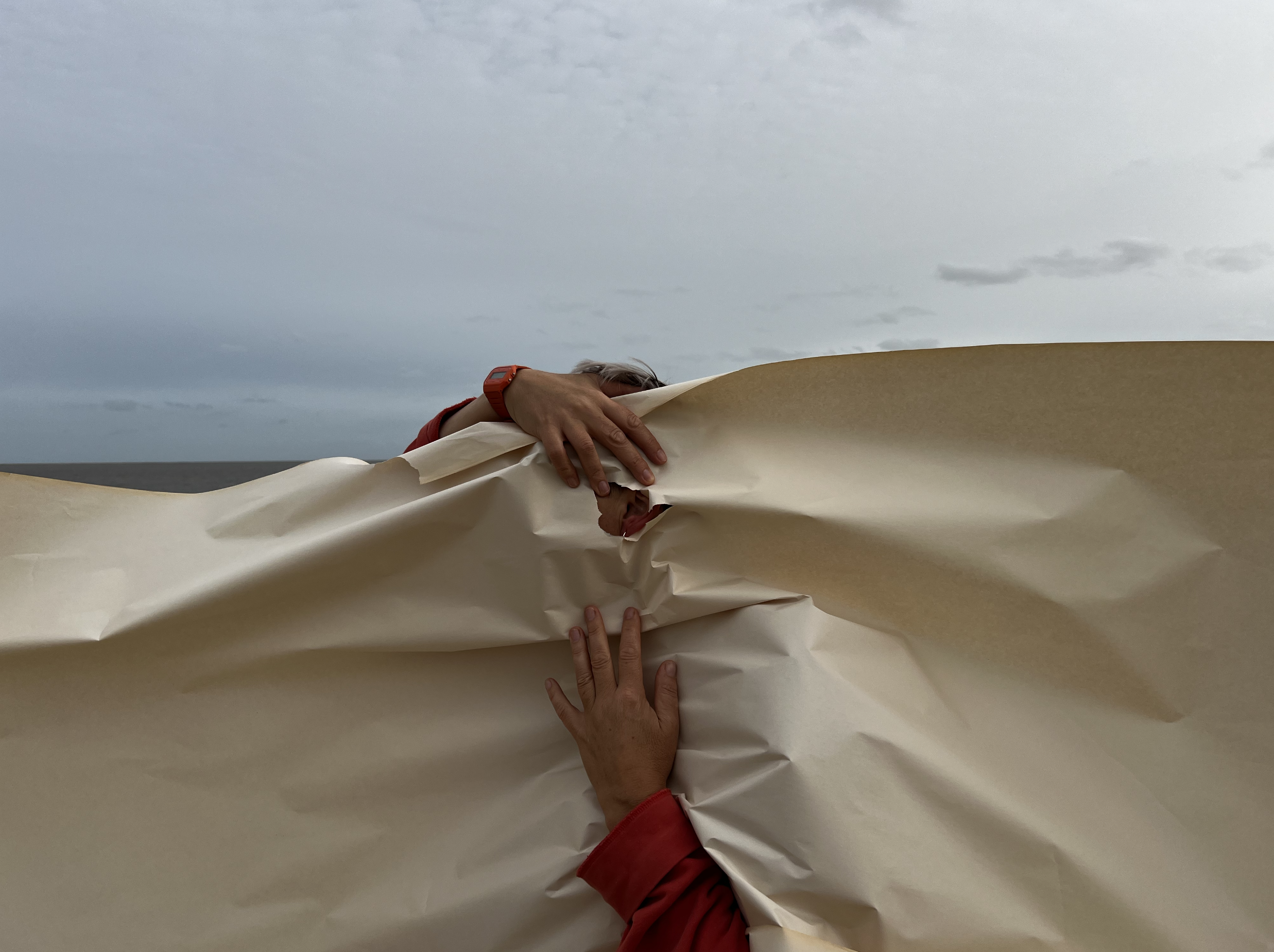
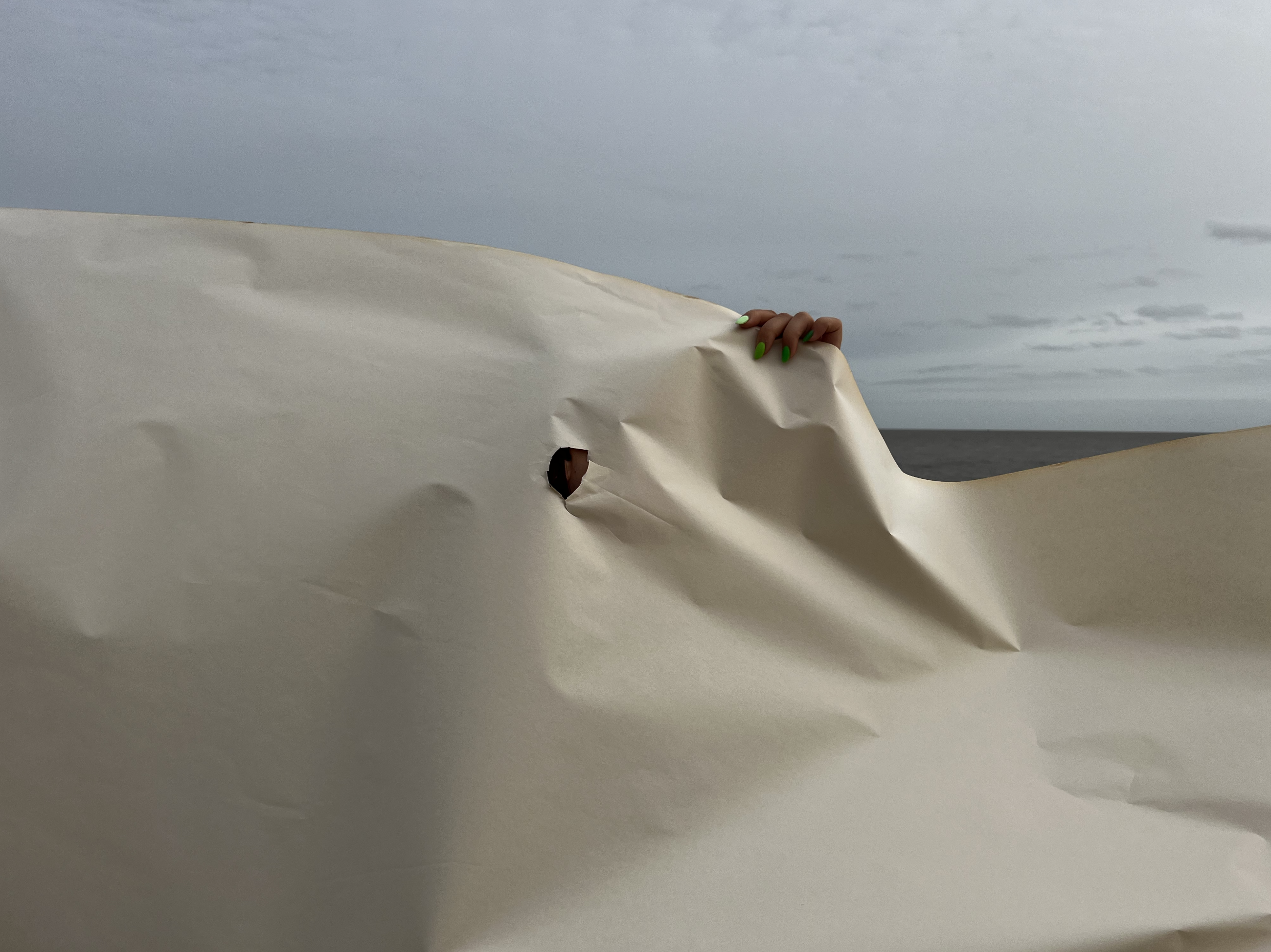
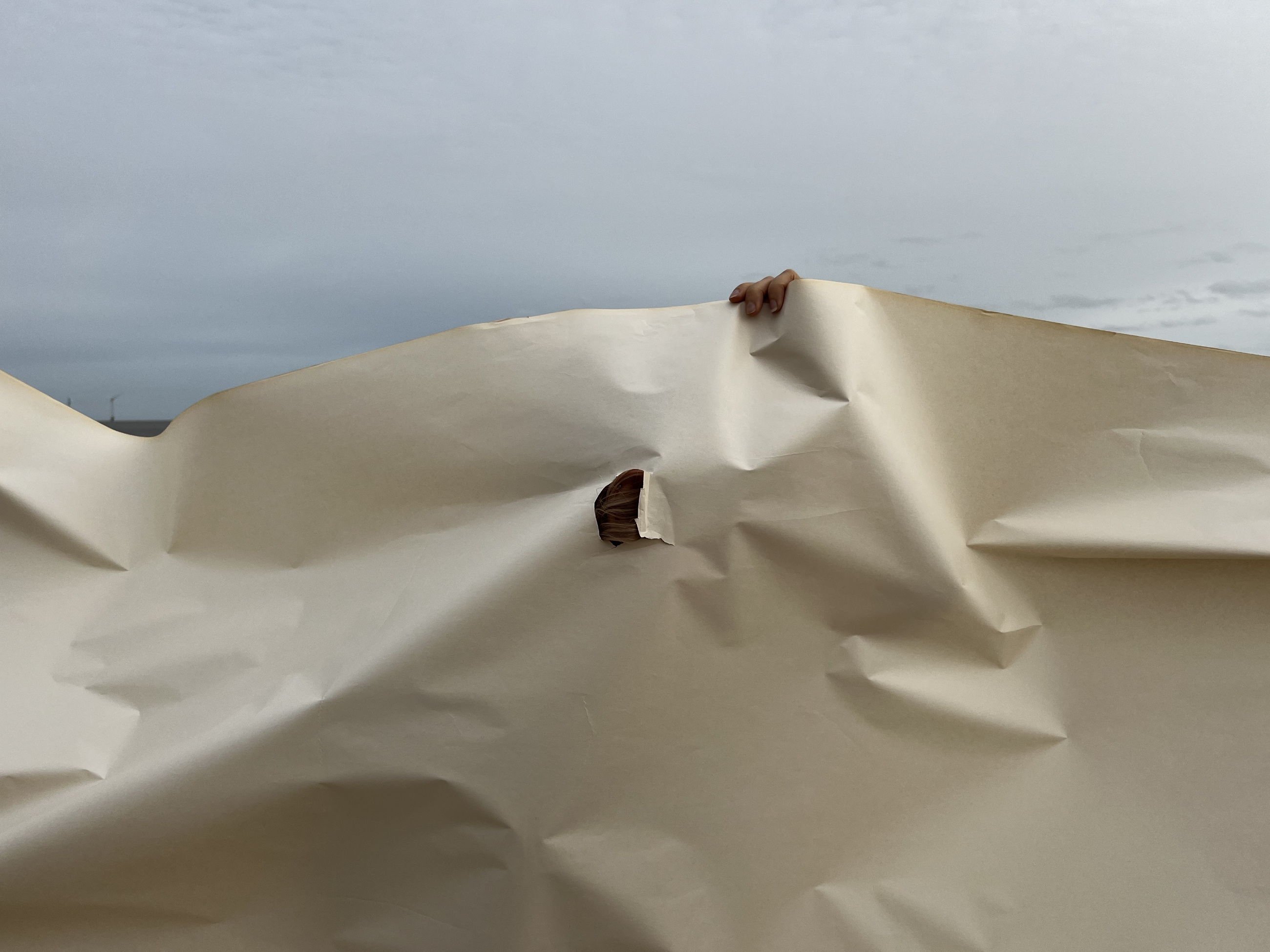
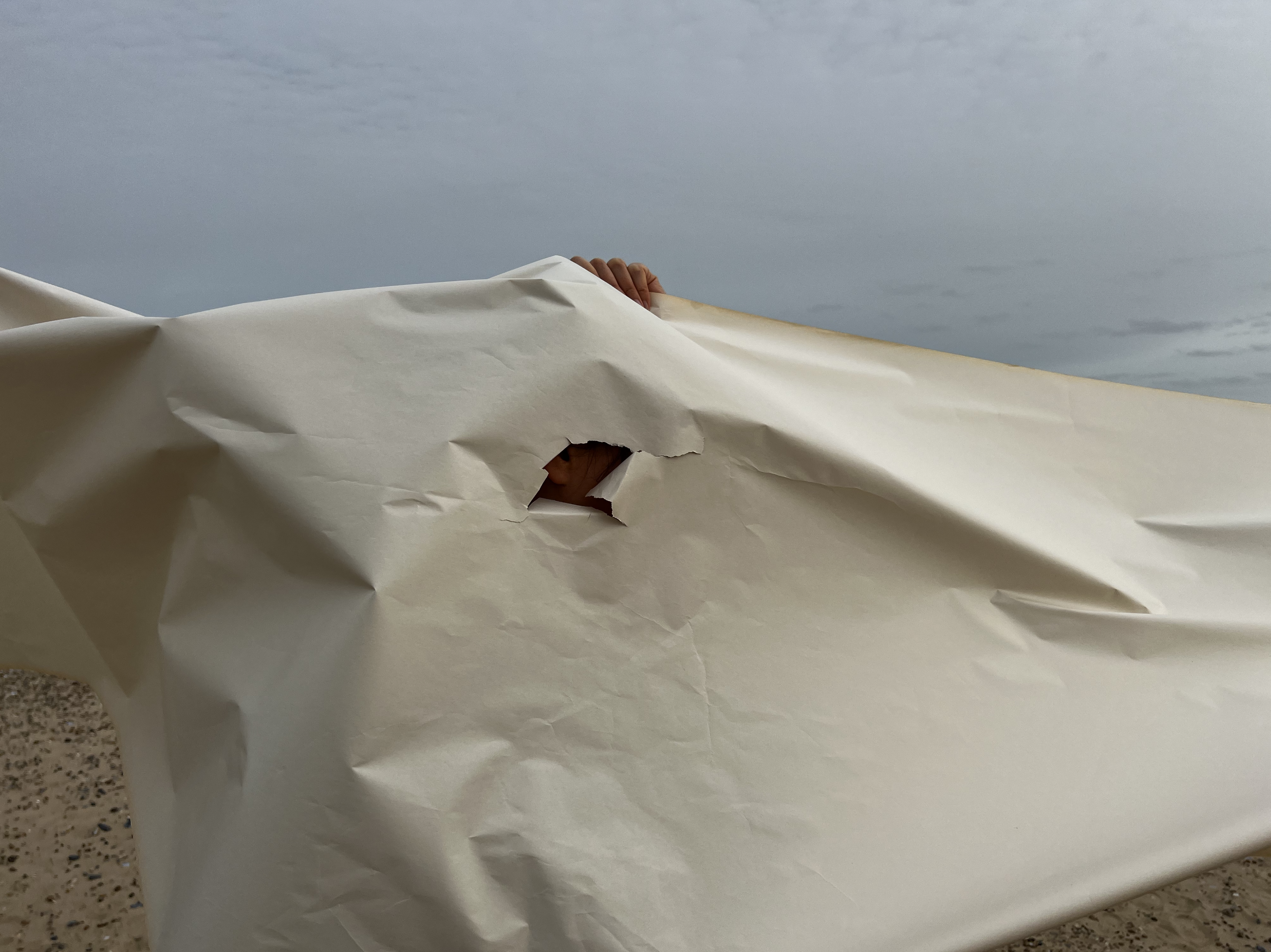
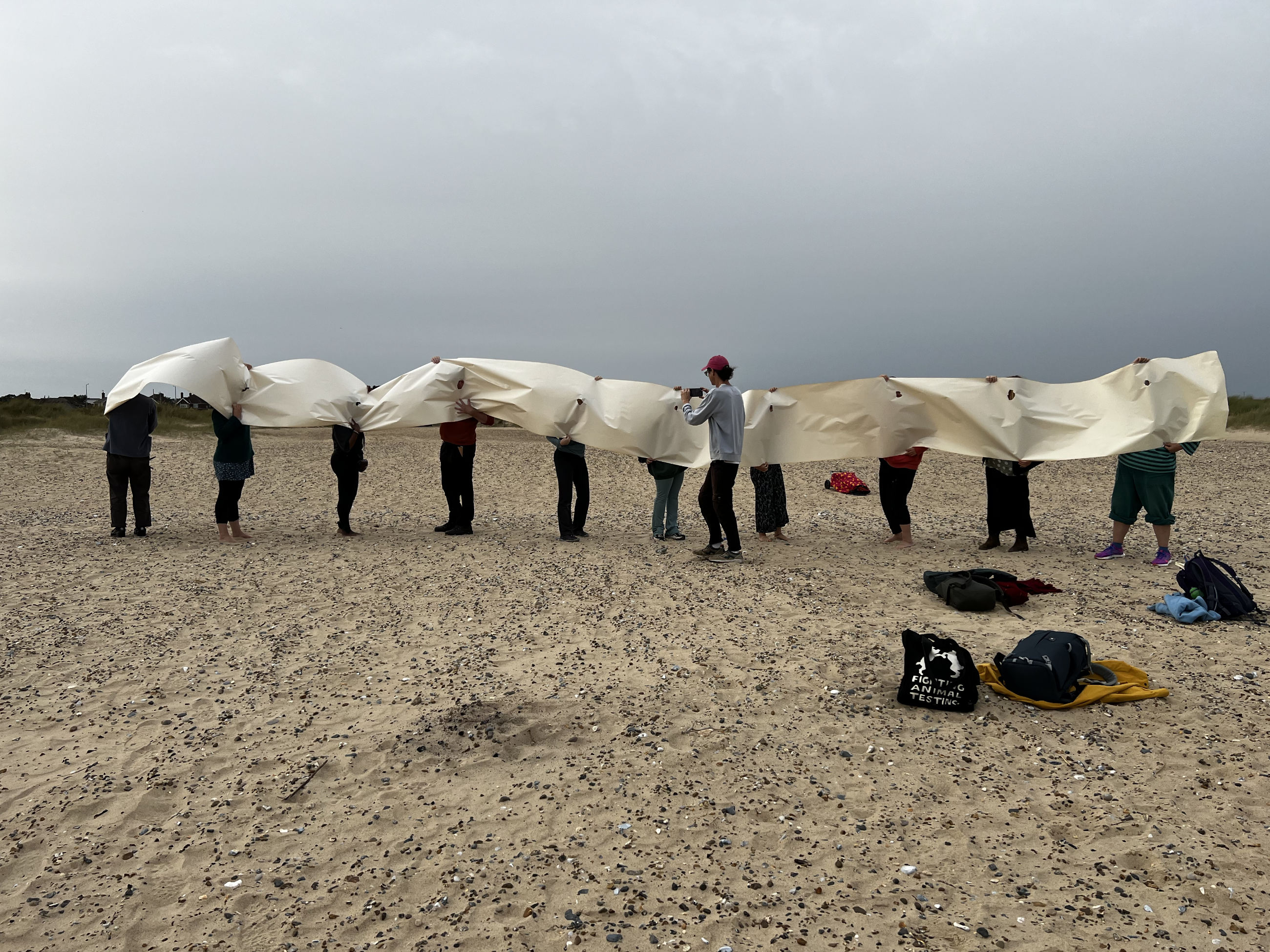
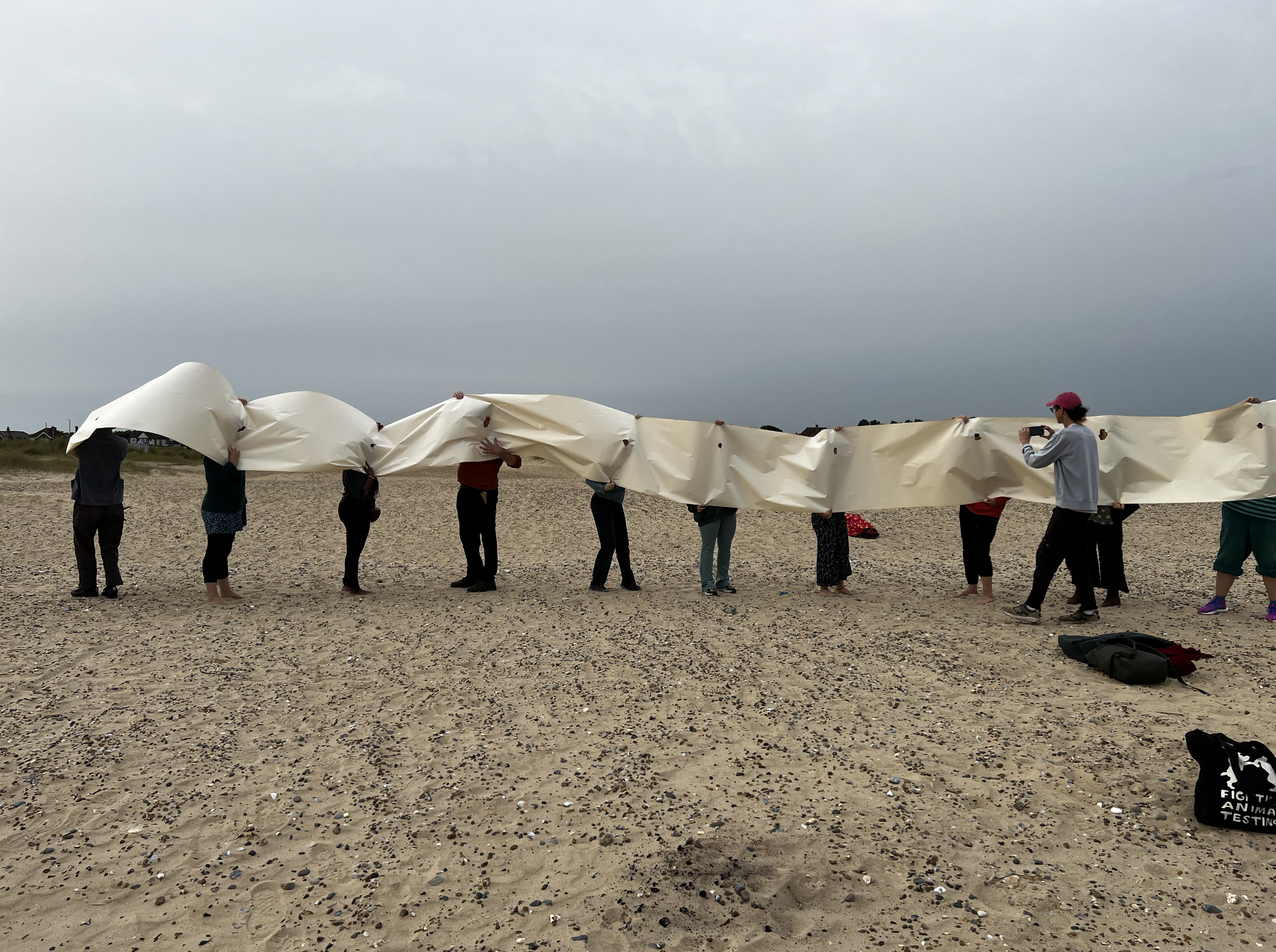
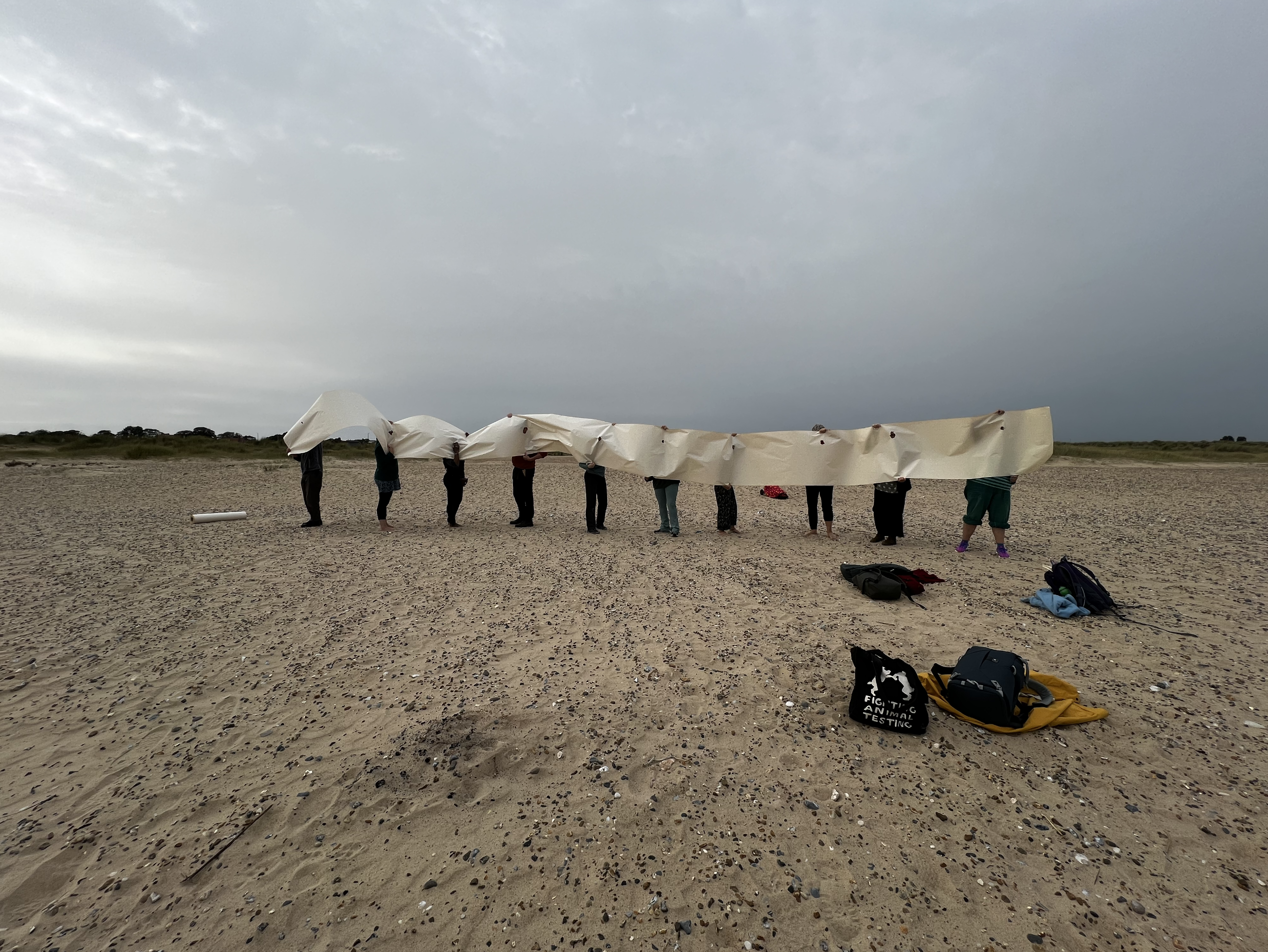
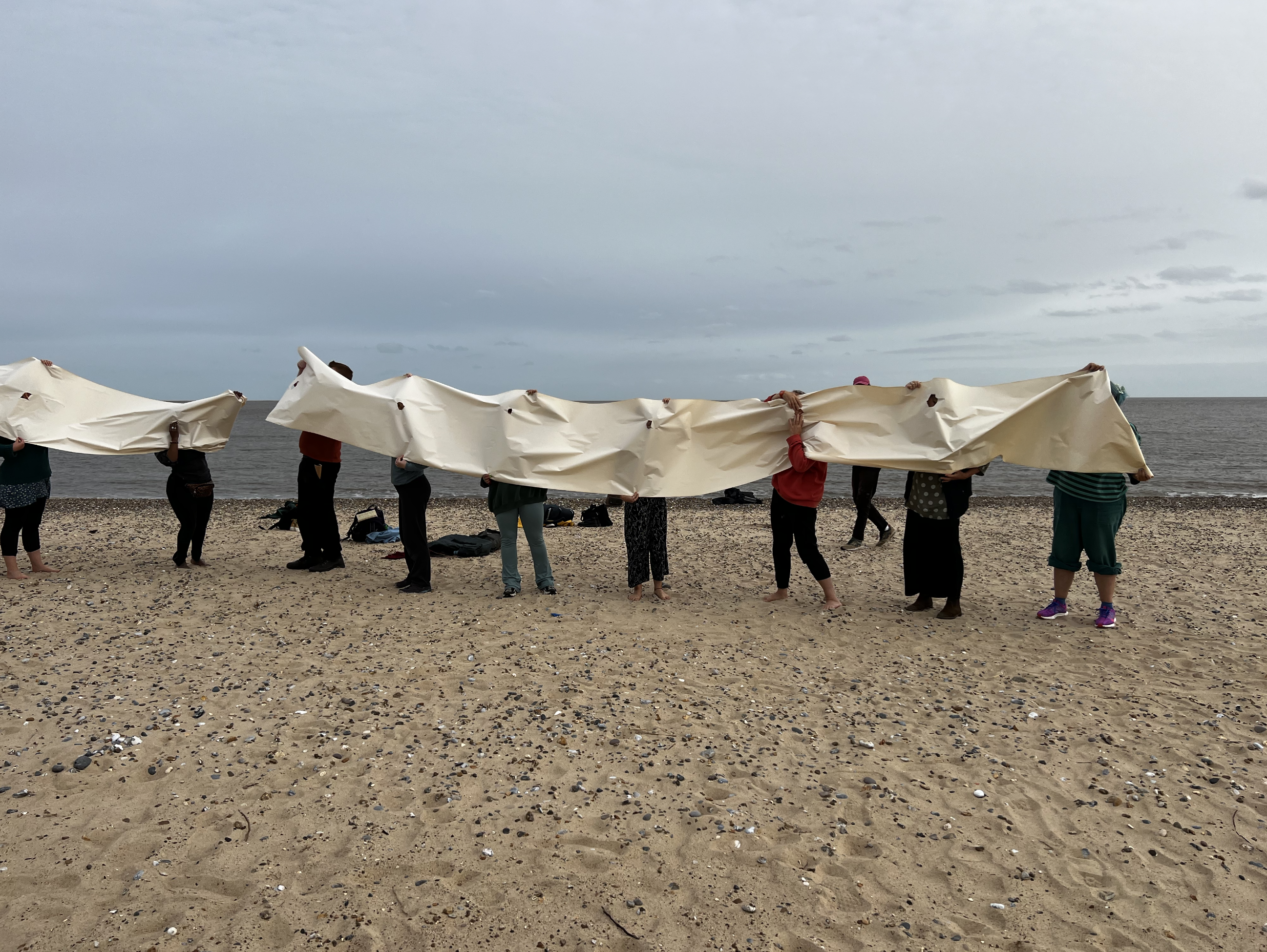
Alongside musical contributions I found my focus was on the act of listening, as a proactive and constructive practice. During the first days of the residency I invited the group to create listening devices for fictional or actual listening scenarios, giving particular thought to why we might want to listen to specific things and the barriers for us doing so. We then went to the beach to create a group listening devices made from large spools of printing paper. The outcome acted as a gestural device for group attentiveness, as we huddled together to listen to the sea and each other.